

Tank levels and wellsites, without the drive.
Oil, fuel and water tank levels, wellsite pressures and pipeline points read remotely — and delivered to the SCADA your operators already watch.

Where it’s deployed
From the tank to the control room.
Sensors from the manufacturers that suit each site, LoRaWAN or IoT SIMs chosen per location, and every reading available to your SCADA.

Tank levels
Know what’s in every tank, from the office.
Ultrasonic, radar or pressure level sensors on oil, diesel, produced-water and fresh-water tanks report level, volume and temperature — with alerts before a tank runs dry or overfills, and deliveries scheduled on actual remaining volume.
What we measure
- Level
- Remaining volume
- Temperature
- Low & high alarms
- Battery & signal
Typical hardware
Hardware-agnostic — chosen for each site
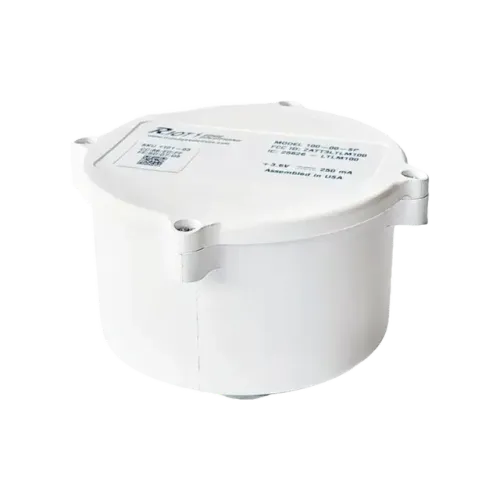
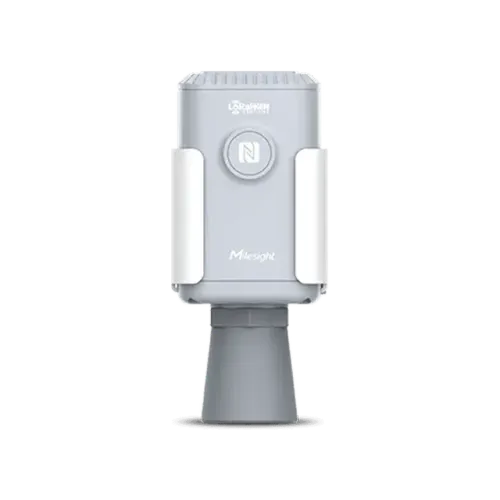
Tank level sensor
Oil, fuel and water tanks
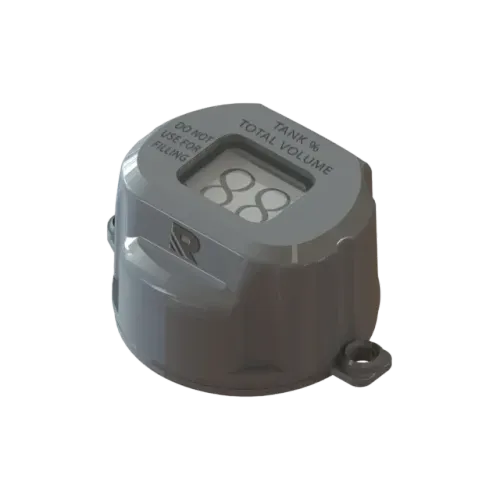
Tank gauge
Propane, fuel and oil tanks
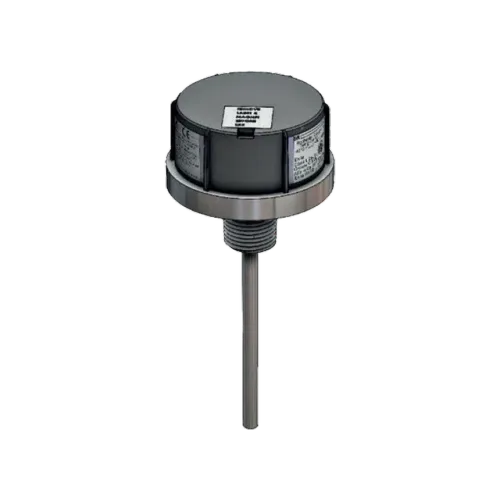
Level transmitter
Process and storage tanks

Temperature & humidity
Courts, rooms and enclosures
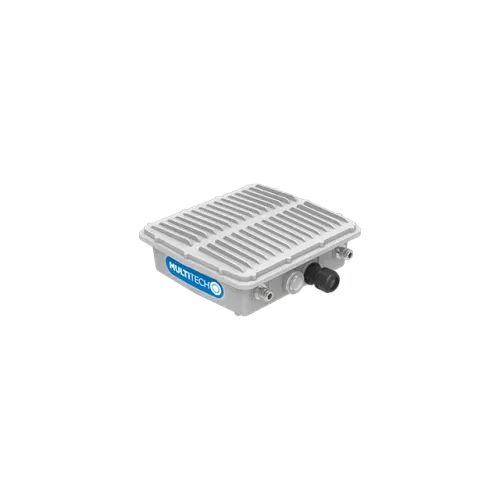
Outdoor LoRaWAN gateway
Masts and rooftops, IP67


How it works
From a sensor on the wellsite to the screen in the control room.
EdgeKinect serves every reading over Modbus TCP, DNP3 or Sparkplug B — no new screens for operators, no scripting, no duplicate sensors.
01 · Sense
Sensors in the field
Sensors on tanks, rivers, buildings, meters and vehicles — chosen for each reading and environment.
02 · Connect
LoRaWAN or IoT SIMs
LoRaWAN gateways or LTE-M, NB-IoT, 4G and 5G on our IoT SIMs — chosen per device. Most sites use both.

03 · Process
EdgeKinect
EdgeKinect Core decodes every reading on the gateway on site; EdgeKinect Vision runs dashboards and alerts in our cloud or on your servers.
04 · Act
Your dashboards & systems
Live dashboards and alarms for your team, and the same data in SCADA, historians or the cloud.
The challenge
Remote sites. Routine trips.
- 01
Truck rolls to read gauges
Crews drive to remote tanks and wellsites just to check a level or a pressure that hasn’t changed.
- 02
Run-outs and overflows
A fuel tank runs dry or a produced-water tank overfills between visits, and nobody knows until it’s a problem.
- 03
Remote, unattended sites
Wellsites, tank batteries and pipeline points spread across large areas with no power and no wired network.
- 04
Data that stops at the fence
New sensors report to yet another portal instead of the SCADA your operators already watch.
The outcome
Fewer trips, earlier alarms.
- 01
Tank levels on a dashboard
Level, volume and temperature for every tank, instead of driving out to dip or read a gauge.
- 02
Alarms the moment it matters
Low and high level alerts as a tank crosses its threshold, not on the next site visit.
- 03
Continuous wellsite readings
Pressures with history, instead of spot readings on a route.
- 04
Deliveries on actual volume
Fuel scheduled on what is left in the tank, not on a just-in-case calendar.
- 05
Field readings as SCADA points
Every reading in the SCADA your operators already run — not a separate portal nobody checks.
See it running
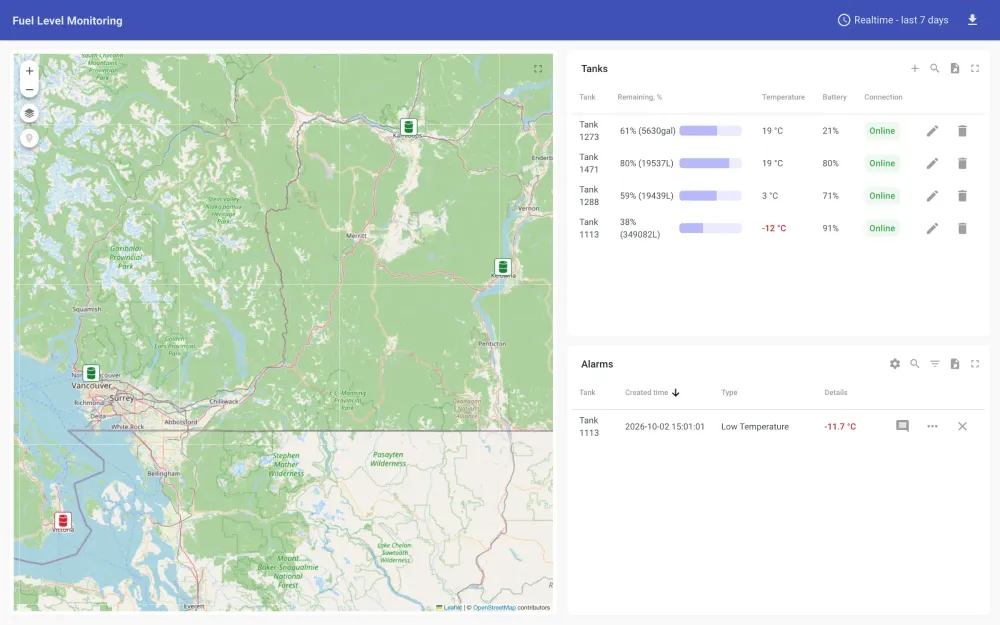
Every tank on one map.
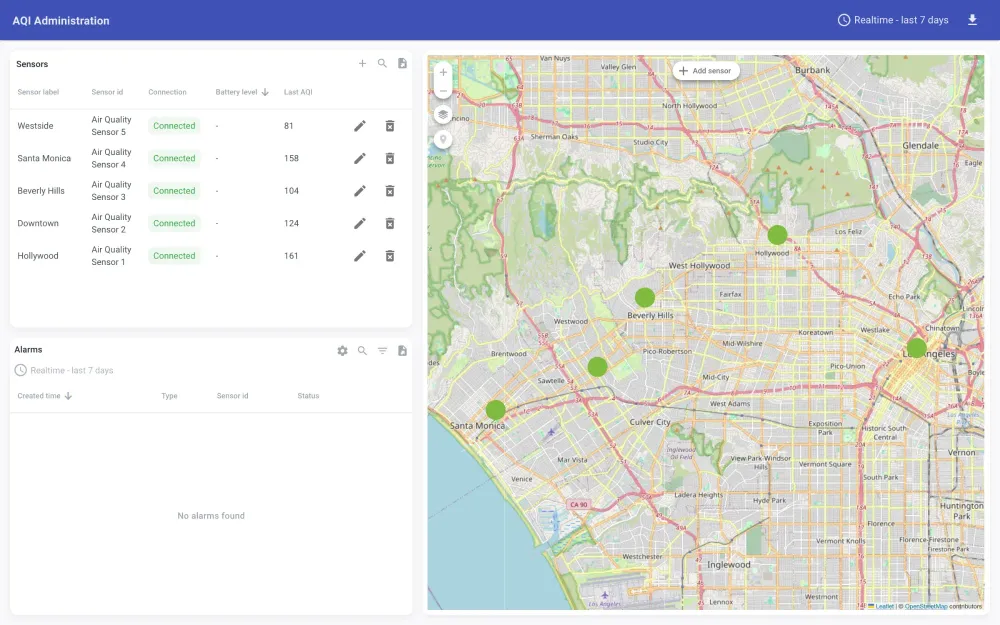
A live tank level dashboard: remaining level, temperature, battery and connection status per tank, with alarms — and a SCADA drilling mimic beside it on our live demos page.
Sensors & gateways
The sensors and gateways behind oil and gas monitoring.
We're hardware-agnostic: each site gets the devices that suit its readings and environment, from several manufacturers, on one platform.
Tank level sensor
Oil, fuel and water tanks
Tank gauge
Propane, fuel and oil tanks
Level transmitter
Process and storage tanks
Temperature & humidity
Courts, rooms and enclosures
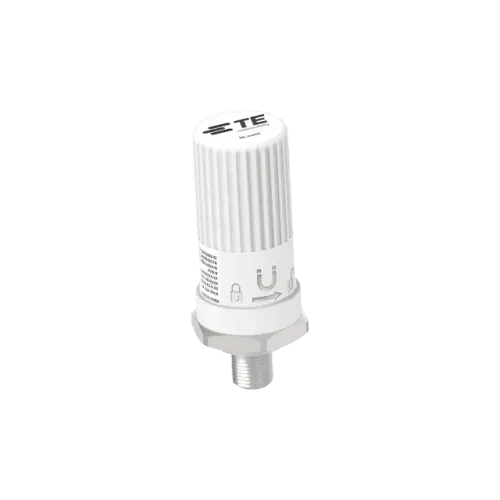
Pressure transducer
Pipelines and wellheads
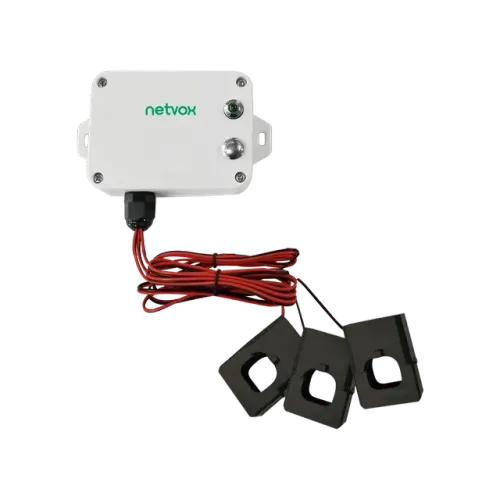
Current meter
Pumps, motors and panels
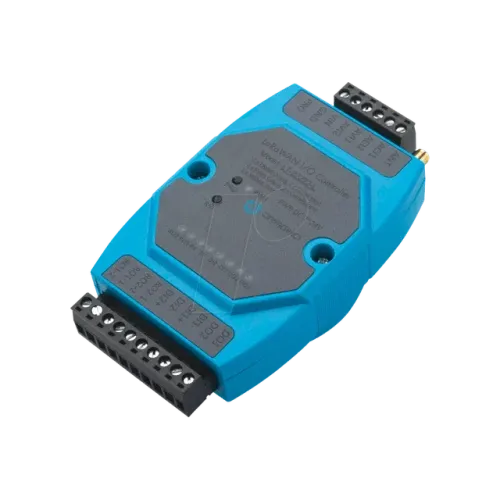
I/O controller
Pumps, valves and relays
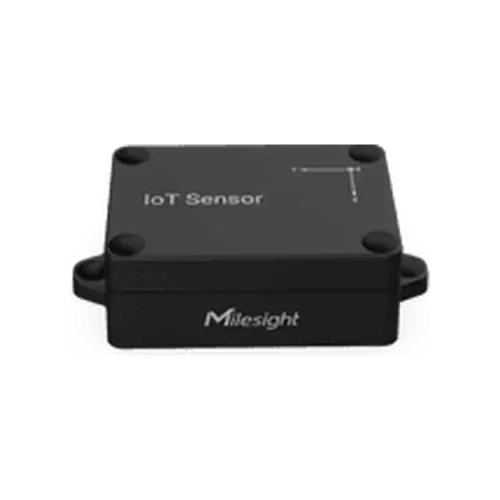
Tilt sensor
Gates, poles and manhole covers
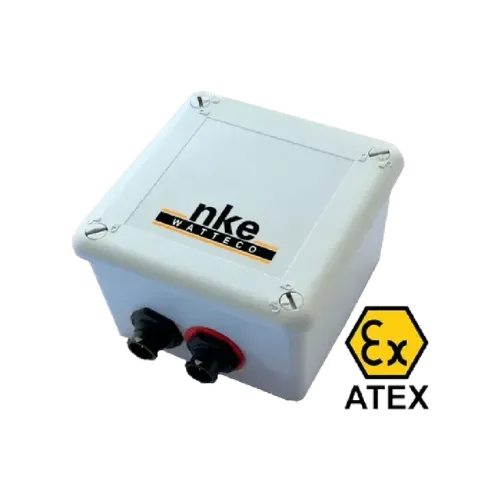
ATEX pulse and analog
Hazardous oil and gas zones
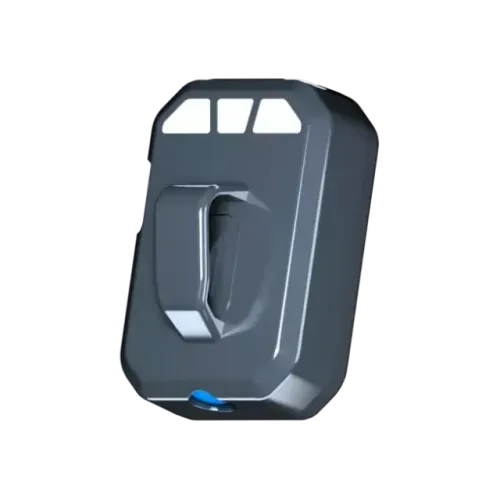
Wearable safety tracker
Lone workers and field crews
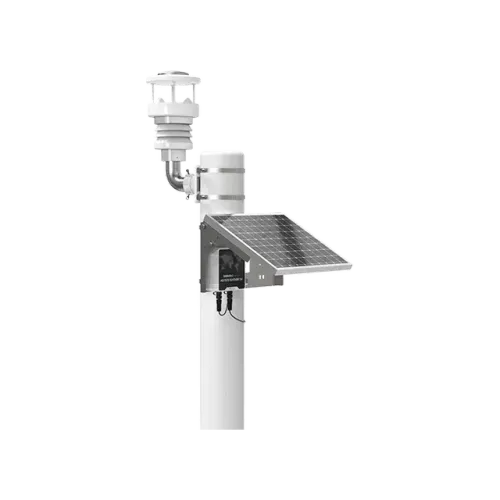
Weather station
Wind, rain, temperature
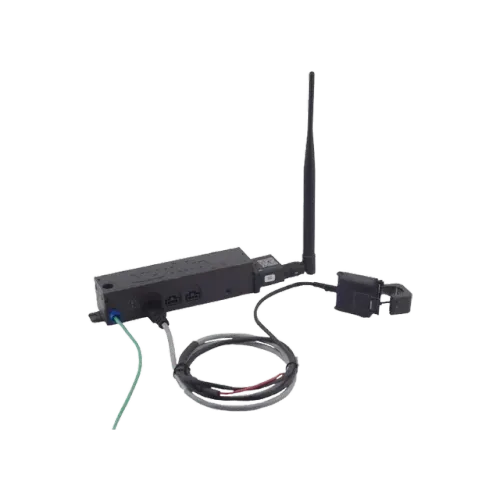
Self-powered current sensor
Equipment run-time, no batteries
Outdoor LoRaWAN gateway
Masts and rooftops, IP67
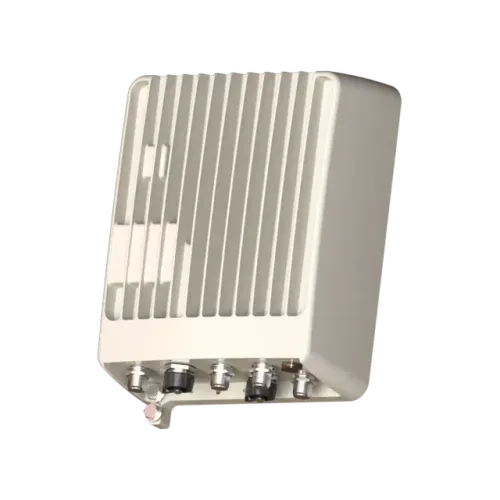
Macro LoRaWAN gateway
Towers and rooftops, city-wide coverage
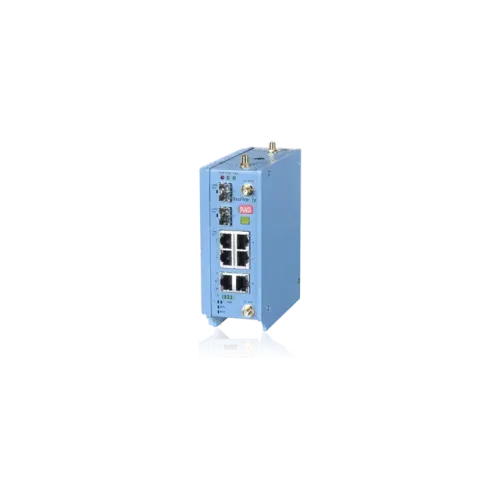
Industrial gateway
Substations and plant networks
FAQ
Oil and gas questions, answered.
What operators ask us most about tanks, connectivity and SCADA integration.
No. EdgeKinect Core, on the gateway at the site, decodes the sensor data and delivers it to the SCADA you already run over Modbus TCP, DNP3 or Sparkplug B, so field readings appear as ordinary SCADA points — and to network monitoring and cloud services at the same time, if you want them there too.
More solutions
Built on the same platform.


Talk to us
Bring your tanks and wellsites into the control room.
Talk to an IoT specialist about your sites, your tanks and the SCADA they need to reach.
- Sales
- (778) 900-5895
- [email protected]
- Hours
- Mon–Fri, 08:30 AM – 04:30 PM PST