LoRaWAN data, delivered to the SCADA you already run.
EdgeKinect Core runs on your industrial LoRaWAN gateway and serves LoRaWAN and Modbus readings as DNP3, Modbus, SNMP and Sparkplug B — all at once. EdgeKinect Vision adds dashboards, rules and notifications, in our cloud or on your servers.
- LVL-LoRa-014Tank level · Tank 361.4 %DNP3 · ModbusAnalog 30004 · HR 40004
- PRS-LoRa-003Pressure · Wellhead 72.41 barDNP3Analog 30001
- FLW-MB-002Flow meter · Pump stn 2127.3 L/mSparkplug BDDATA
- PWR-MB-011Energy · Substation B18.2 kWSNMP.1.3.6.1.4.1
- TMP-LoRa-017Temperature · Shed42.7 °CModbusHR 40001
Where it runs
Industrial sites where the data has to reach SCADA.
One industrial LoRaWAN gateway per site, running EdgeKinect Core. The sensors change with the site; the way the data reaches your control room doesn't.

Wellsites & tank batteries
Pressures and tank levels in SCADA, from unattended pads.
An industrial LoRaWAN gateway at the pad runs EdgeKinect Core. Battery sensors on tanks and wellheads report to it, and Core serves every reading to the SCADA master as DNP3 points or Modbus registers.
What we measure
- Tank level
- Casing & tubing pressure
- Gas detection
- Pump run status
- Temperature
Typical hardware
Hardware-agnostic — chosen for each site
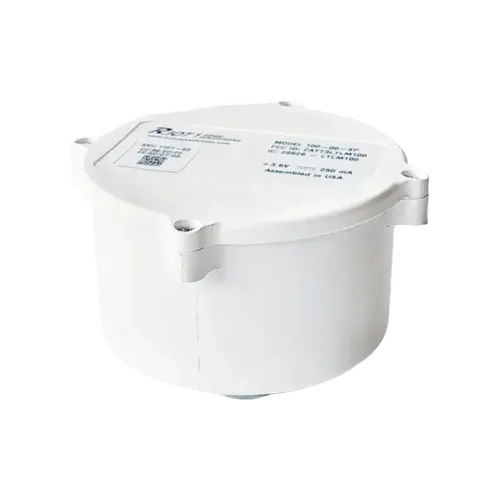
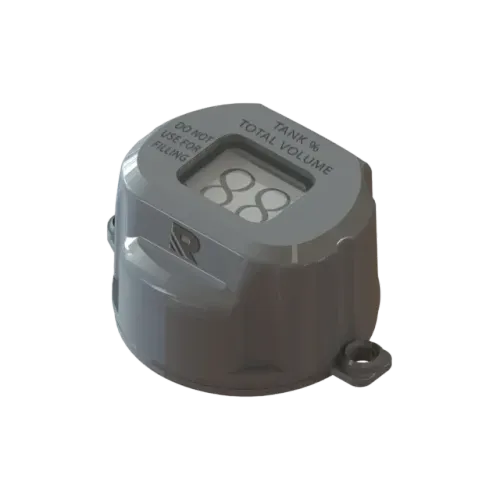
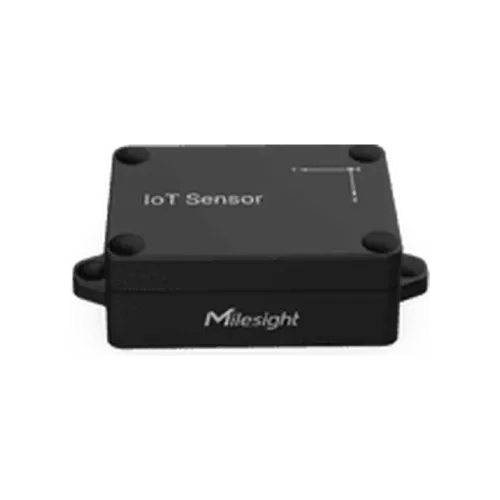
Tank level sensor
Oil, fuel and water tanks
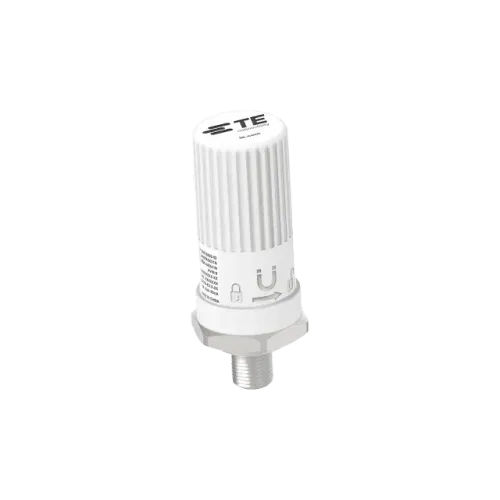
Pressure transducer
Pipelines and wellheads
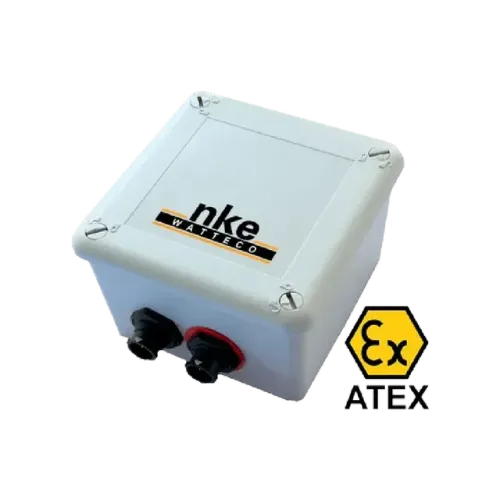
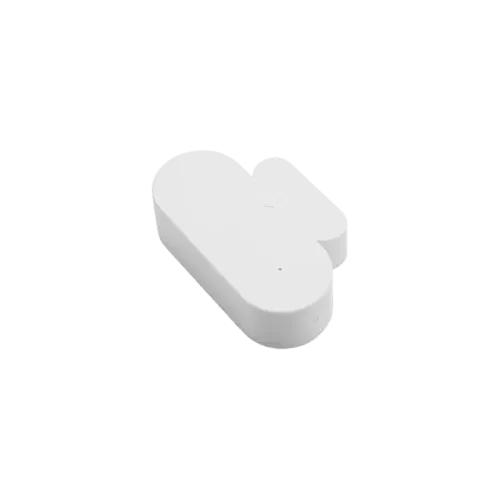
ATEX pulse and analog
Hazardous oil and gas zones
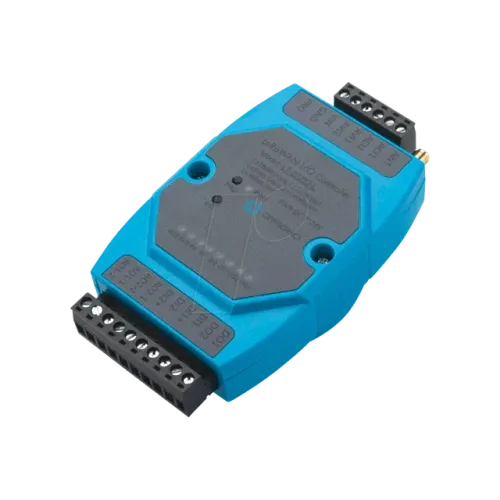
I/O controller
Pumps, valves and relays
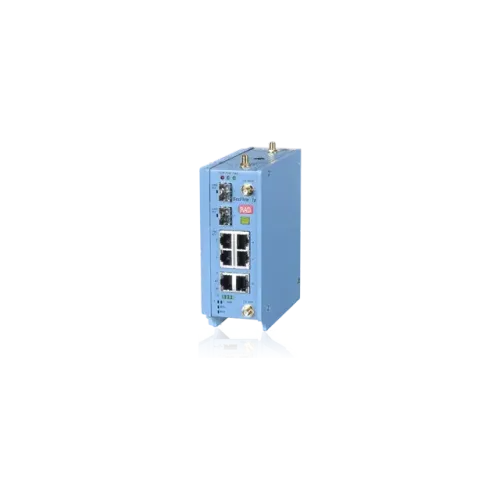
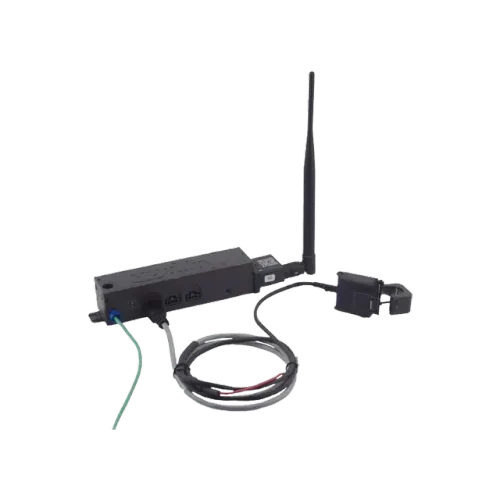
Industrial gateway
Substations and plant networks




How it works
From a sensor in the field to the screen your operators use.
Devices report to the gateway at the site. Core, running on that gateway, delivers every reading to SCADA and to EdgeKinect Vision.
01 · Sense
LoRaWAN & Modbus devices
Battery sensors on the 900 MHz unlicensed band, plus meters and controllers that already speak Modbus.
02 · Collect
Industrial LoRaWAN gateway
One gateway gathers every reading at the site — and runs EdgeKinect Core on board.
03 · Deliver
EdgeKinect Core
Decoded, stored and served to SCADA over DNP3, Modbus, SNMP and Sparkplug B, all at once.
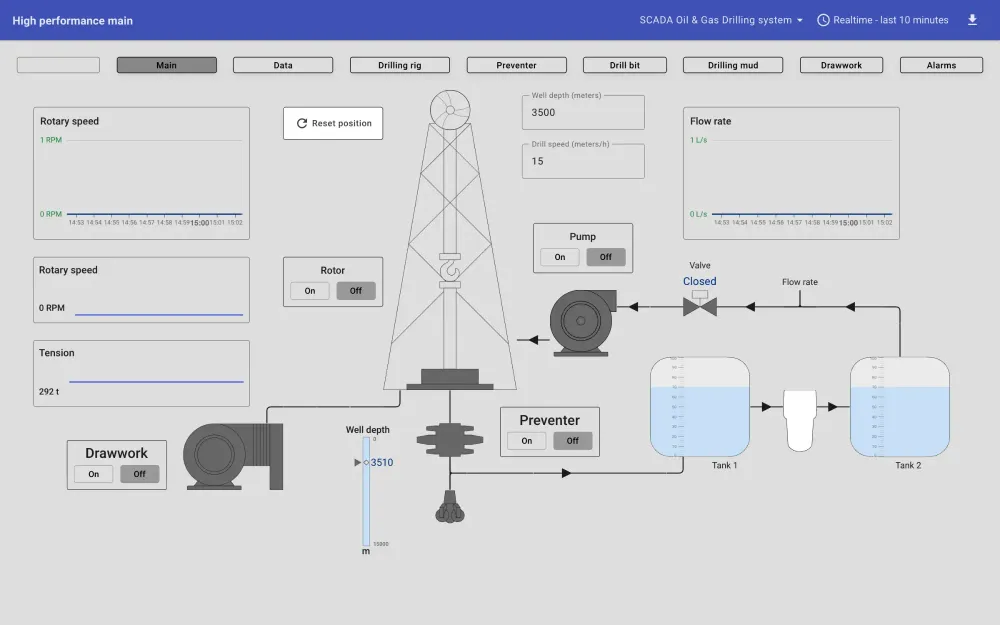
04 · Act
SCADA & EdgeKinect Vision
Operators see points in the SCADA they run; Vision adds dashboards, rules and notifications.
EdgeKinect Core
The whole site on one gateway.
Core is installed on the industrial LoRaWAN gateway, so there is no server to rack at the site. Open it from any browser over HTTP or HTTPS.
01In the field
LoRaWAN sensors
TemperatureHumidityOccupancyAir qualityLevel
Industrial & Modbus devices
PressureFlowPowerVibration
02On site
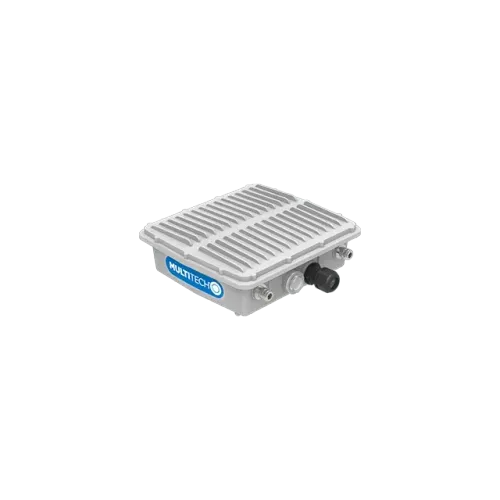
LoRaWAN gateway
900 MHz · industrial
Runs EdgeKinect Core
03EdgeKinect Core
Every reading decoded and normalized on the gateway, before it leaves the site.
- 01ReceiveFrom the gateway radio
- 02DecodePer sensor model
- 03NormalizeOne schema for every reading
- 04StoreBuffered on site
{ deviceId, metric, value, timestamp }04Out to your systems
OT network
SCADA
DNP3ModbusSparkplug B
IT network
SolarWinds · PRTG
SNMP
Cloud
EdgeKinect Vision & your cloud
MQTTHTTP / RESTAWS SNSAzure Service BusInfluxDB
Works with
- SolarWinds
- PRTG
- MQTT
- AWS
- Azure
- InfluxDB

- Decode & store
- Parses every LoRaWAN and Modbus packet into named readings and keeps the data on the gateway for a set period.
- Connectivity monitoring
- Watches every device and shows the ones that have stopped reporting.
- Built-in views
- Charts and tables on the gateway itself, opened from any desktop, tablet or phone browser over HTTP or HTTPS.
- QR-code onboarding
- Scan a device’s QR code with a phone or tablet camera to add or identify it in the field.
- Location-aware devices
- Every device carries its location, so a reading is tied to the tank, well or room it measures.
- Connectors & forwarding
- SCADA over DNP3, Modbus, SNMP and Sparkplug B; forwarding to other endpoints; seamless transfer to EdgeKinect Vision.
The challenge
What keeps field data out of the control room.
- 01
New sensors, another portal
Most LoRaWAN platforms show readings in their own cloud dashboard, so operators end up watching two screens.
- 02
SCADA can’t read LoRaWAN
SCADA masters poll DNP3 and Modbus. LoRaWAN payloads arrive as vendor-specific bytes that have to be decoded first.
- 03
A cloud between field and control room
Routing field data out to a cloud and back adds a dependency on every site’s internet link.
- 04
One reading, many teams
Operations, IT and engineering each want the same reading in a different tool and a different protocol.
The outcome
What changes once it's running.
- 01
Readings as ordinary SCADA points
Each sensor appears as a DNP3 point or Modbus register that the master already knows how to poll.
- 02
Self-contained sites
Core runs on the gateway, so data reaches SCADA over the local network with no round trip to the cloud.
- 03
Every protocol at once
Connectors deliver the same data over DNP3, Modbus, SNMP and Sparkplug B simultaneously, to as many nodes as you deploy.
- 04
Dashboards and alarms when you want them
EdgeKinect Vision adds remote dashboards, rules and notifications, hosted by us or on your own servers.
EdgeKinect Connectors
Every SCADA protocol, from the same data, at the same time.
Connectors run on the gateway itself. Deploy as many nodes as you need — the same reading goes to each of them, in DNP3, Modbus, SNMP or Sparkplug B, simultaneously.
DNP3 outstation · :20000
Points for masters that poll by class.
LoRaWAN and Modbus readings presented as DNP3 points with outstation emulation, for utilities and SCADA masters that poll by class.
- Outstation emulation
- Class polling
- Event buffering
Modbus TCP · :5030
Registers your SCADA already polls.
Core answers your SCADA’s polling as a Modbus server, with each sensor value mapped to a register.
- Register mapping
- Server emulation
- Real-time polling
SNMP · :1620
The field fleet in your NOC.
Sensor health and readings exposed over SNMP, so SolarWinds, PRTG and other NOC tools see each device like any other.
- SNMP v2c / v3
- SolarWinds
- PRTG
- Custom MIBs
Sparkplug B · MQTT :1883 / :8883
Metrics that know which nodes are online.
Telemetry published as Sparkplug B metrics through the integrated MQTT broker, with birth and death certificates so the host always knows which edge nodes are online.
- Integrated broker
- Birth & death certificates
- TLS on :8883
Typical ports
What your network team opens between the gateway, SCADA and the people who use Core. Only the protocols you use need to be reachable.
Interface
Port
Used by
- HTTP / HTTPS
- 80 / 443
- Browser access to Core from a desktop, tablet or phone
- DNP3
- 20000
- SCADA masters
- Modbus TCP
- 5030
- SCADA, PLCs and HMIs that poll registers
- SNMP
- 1620
- NOC and IT monitoring
- MQTT · Sparkplug B
- 1883 / 8883
- Integrated broker, plain and TLS
EdgeKinect Vision
Every site on one screen, with alarms that reach a person.
Vision is the remote layer. It takes data from EdgeKinect Core, other gateways and third-party systems, and adds live dashboards, SCADA-style mimics, a rules engine, notifications and reports.
Data in
EdgeKinect Core
Every site, sent automatically
Other gateways
MQTT and HTTP
Third-party data
Cloud and existing systems
EdgeKinect
Vision
Cloud or self-hosted
What your team gets
Dashboards
Live viewsSCADA mimicsMaps
Rules & alerts
Rules engineEmailSMSPhone
Reports
Scheduled reportsExports
Anywhere
DesktopTabletPhone
Hosted in our cloud or on your own servers. One place to watch every site, with alarms that reach a person.
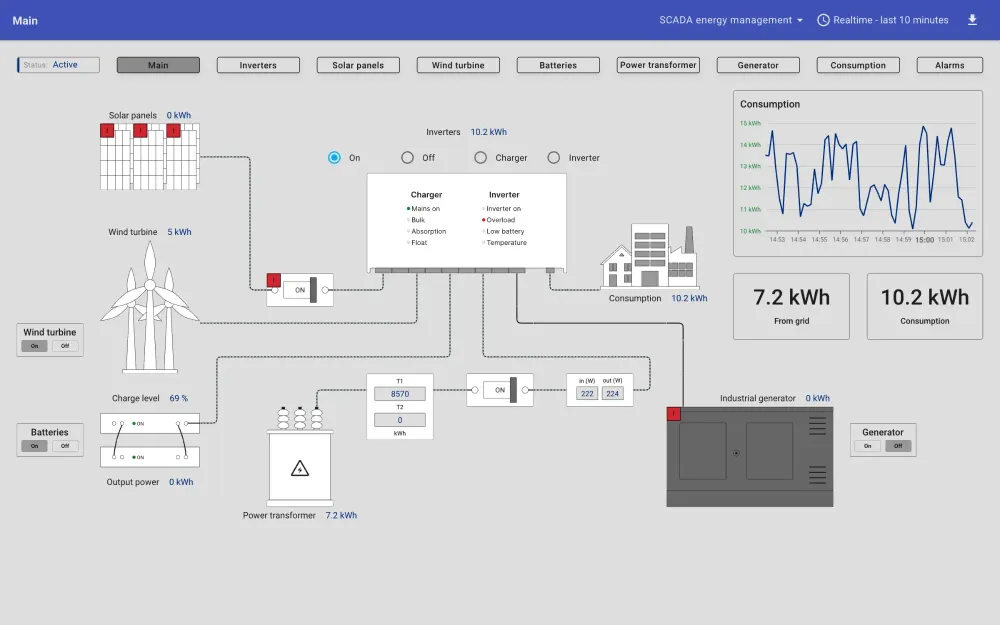
Hosted by us, or on your servers.
Choose where Vision runs. Either way it is the same release, the same dashboards and the same alarms — and one installation can serve several sites or departments.
- Cloud-hosted
- We run Vision for you. Nothing to install or patch.
- Self-hosted
- Vision on your own servers, inside your network and under your IT policies.
Sensors & gateways
The LoRaWAN hardware behind industrial sites.
We're hardware-agnostic: each site gets the sensors that suit its readings and environment, from several manufacturers, on one industrial LoRaWAN gateway running Core.
Tank level sensor
Oil, fuel and water tanks
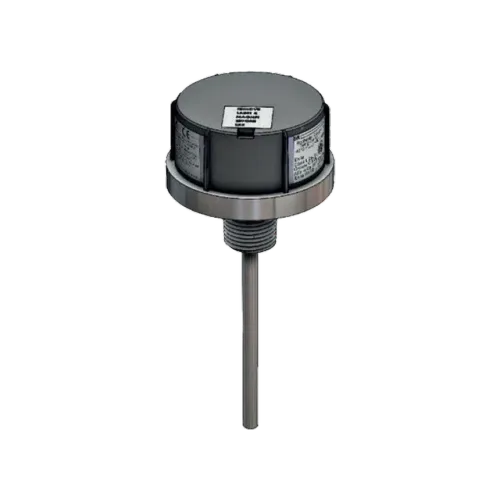
Level transmitter
Process and storage tanks
Pressure transducer
Pipelines and wellheads
ATEX pulse and analog
Hazardous oil and gas zones
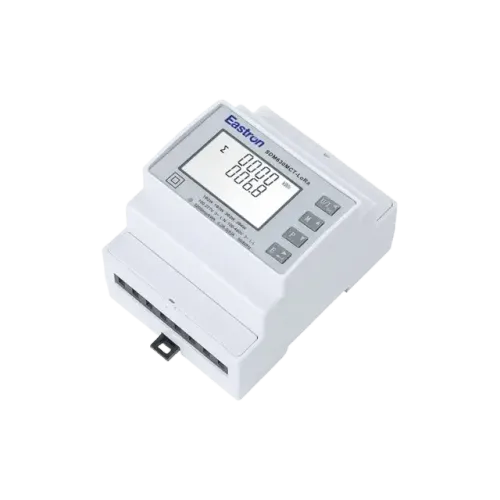
Energy meter
Three-phase power monitoring
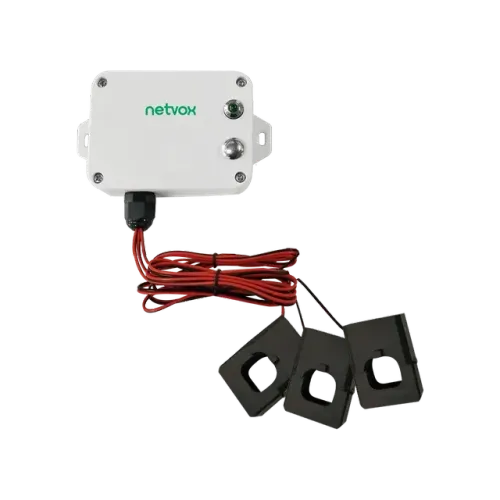
Current meter
Pumps, motors and panels
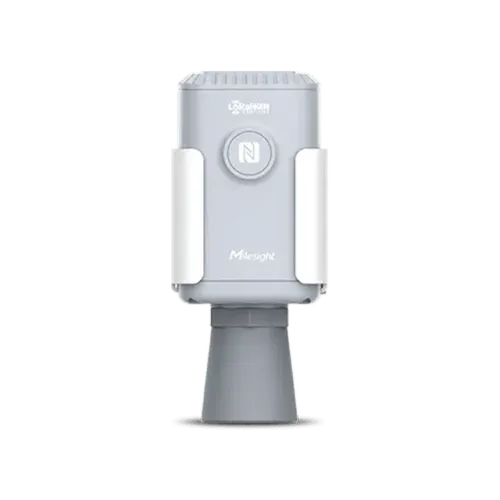
Ultrasonic level sensor
Rivers, culverts and flood points
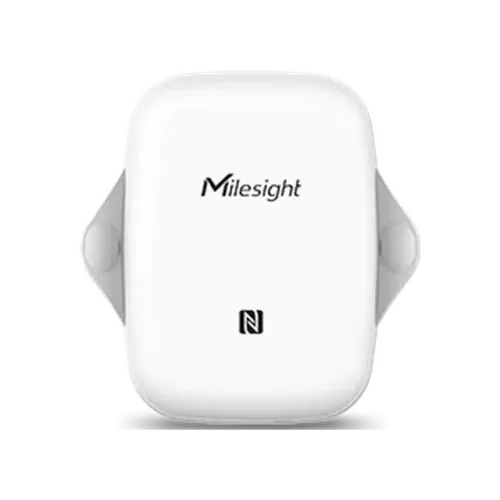
Temperature & humidity
Courts, rooms and enclosures
I/O controller
Pumps, valves and relays
Industrial gateway
Substations and plant networks
Outdoor LoRaWAN gateway
Masts and rooftops, IP67
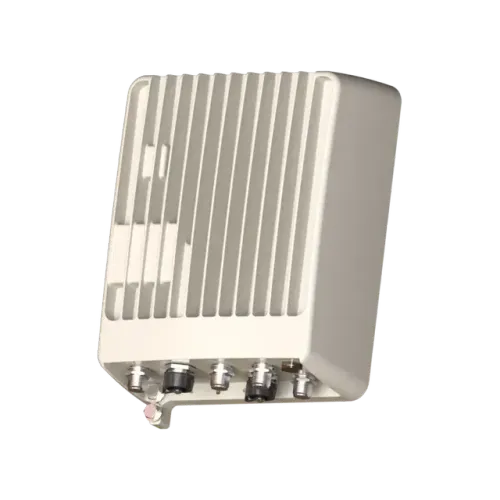
Macro LoRaWAN gateway
Towers and rooftops, city-wide coverage
IIoT vs IoT
When industrial requirements apply.
The Industrial Internet of Things connects sensors and machines to the systems that run critical operations, where reliability and integration matter more than an app.
Aspect
IIoT
IoT
Primary focus
IIoTIndustrial operations and infrastructure
IoTConsumer and commercial applications
Environment
IIoTPlants, well sites, substations, harsh conditions
IoTHomes, offices, retail spaces
Failure impact
IIoTSafety risks, lost production, high costs
IoTInconvenience, limited impact
Integration
IIoTSCADA, PLCs, historians, network monitoring
IoTCloud platforms, mobile apps
Protocols
IIoTDNP3, Modbus, SNMP, Sparkplug B
IoTHTTP, MQTT, vendor APIs
FAQ
EdgeKinect questions, answered.
What operations and IT teams ask us about SCADA integration, hosting and the gateway.
Yes. EdgeKinect Core decodes each LoRaWAN reading and serves it to your SCADA as a DNP3 point (typically on port 20000) or a Modbus register (typically on port 5030). The same data can also go out over SNMP and Sparkplug B, at the same time.
More solutions
Built on the same platform.


Talk to us
Connect your LoRaWAN sensors to the control room.
Talk to an IoT specialist about your sensors, your SCADA and the systems the data has to reach.
- Sales
- (778) 900-5895
- [email protected]
- Hours
- Mon–Fri, 08:30 AM – 04:30 PM PST