What IoT is, and what it takes to run it.
The Internet of Things is the network of physical devices, vehicles and equipment fitted with sensors, software and connectivity, so they can collect and exchange data.

Where we deploy IoT
Where it’s deployed
IoT we deploy today.
The same platform — sensors, networks and EdgeKinect — runs in every one of these places.

Cities & municipalities
Water levels, facilities, parking and street lights.
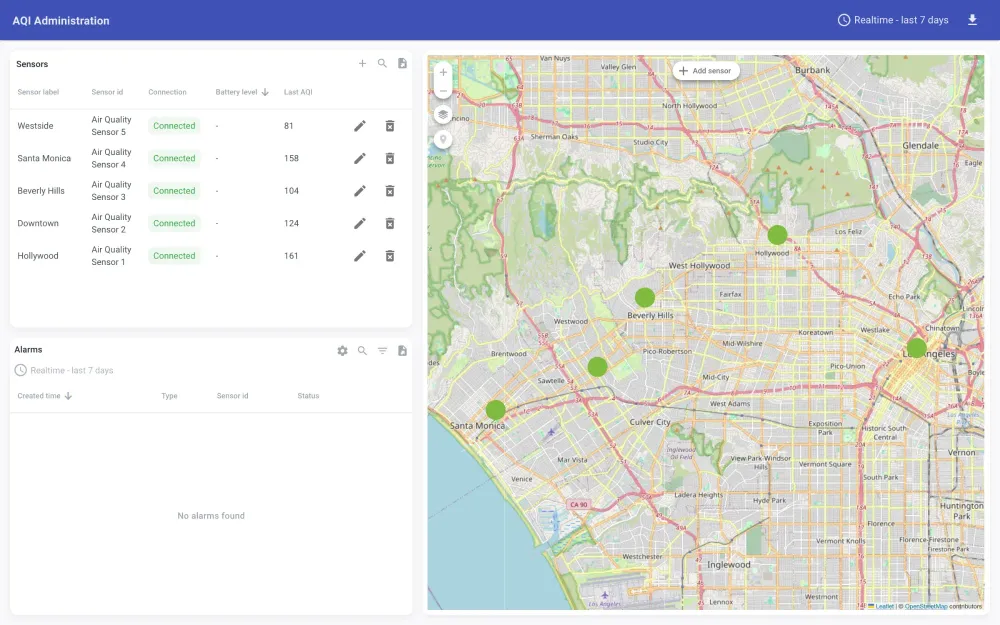
Cities watch flood points, recreation facilities, parking bays, street lights and air quality from one dashboard, with alerts to the crew responsible for each asset.
What we measure
- Water levels
- Parking
- Street lights
- Air quality
- Noise
Typical hardware
Hardware-agnostic — chosen for each site
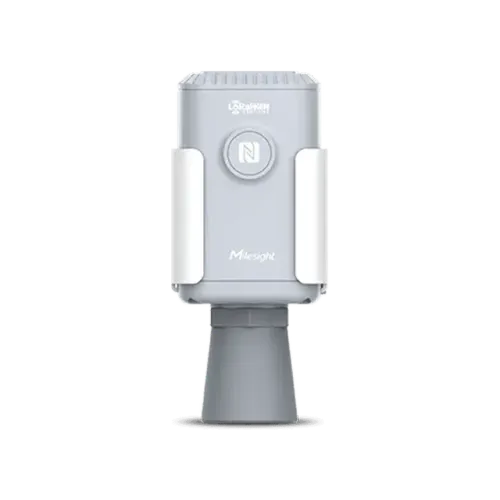
Ultrasonic level sensor
Rivers, culverts and flood points
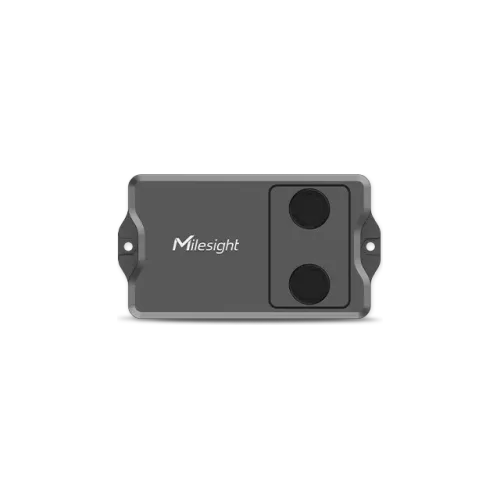
Parking & bin-fill sensor
Bays, bins and distance
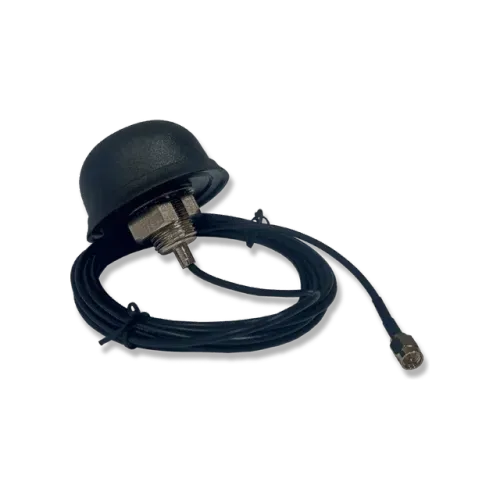
Street light controller
Dimming and fault alerts per pole
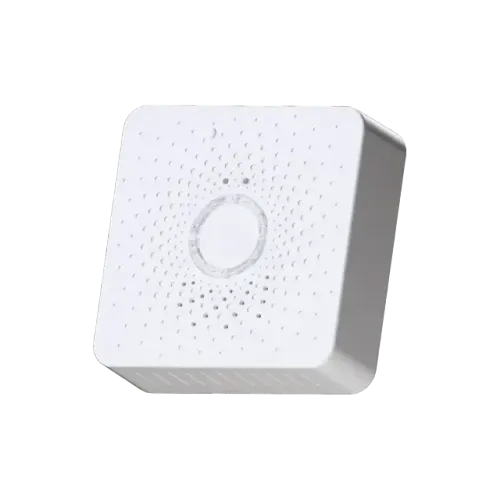
CO₂ and air quality
Classrooms and meeting rooms
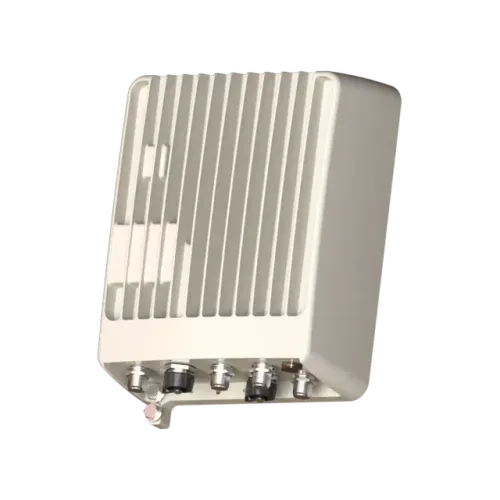
Macro LoRaWAN gateway
Towers and rooftops, city-wide coverage


How it works
Four stages, from the object to the action.
IoT connects everyday objects to the internet so they can be monitored and controlled remotely, automate tasks and report what they measure.
01 · Sense
Sensors & devices
Collect data from the physical world — temperature, motion, location, level and more.
02 · Connect
Connectivity
LoRaWAN, LTE-M, NB-IoT, 4G and 5G, Wi-Fi or Bluetooth — the network chosen for each device.

03 · Process
Data processing
Readings decoded, normalized and analyzed in the cloud or at the edge.
04 · Act
Action & automation
Dashboards, alerts and control actions triggered by what the data shows.
The challenge
What makes IoT hard to run.
- 01
Devices from many makers
Every sensor brand ships its own app and data format, so readings end up in separate places.
- 02
Sites without power or cabling
The things worth measuring are often where running a cable costs more than the sensor.
- 03
Choosing the network
LoRaWAN, LTE-M, NB-IoT, 4G or 5G — the wrong choice drains batteries or leaves gaps in coverage.
- 04
Data that stops at a portal
Readings that never reach the systems and people who act on them don’t change anything.
The outcome
Why organizations connect their assets.
- 01
Cost reduction
Lower operating costs through automation, fewer site visits and predictive maintenance.
- 02
Efficiency
Processes and resources tuned with real-time data.
- 03
Better decisions
Decisions grounded in measured conditions, with history to compare against.
- 04
Customer experience
Connected services that respond to the people using them.
See it running
A city service, running on IoT.
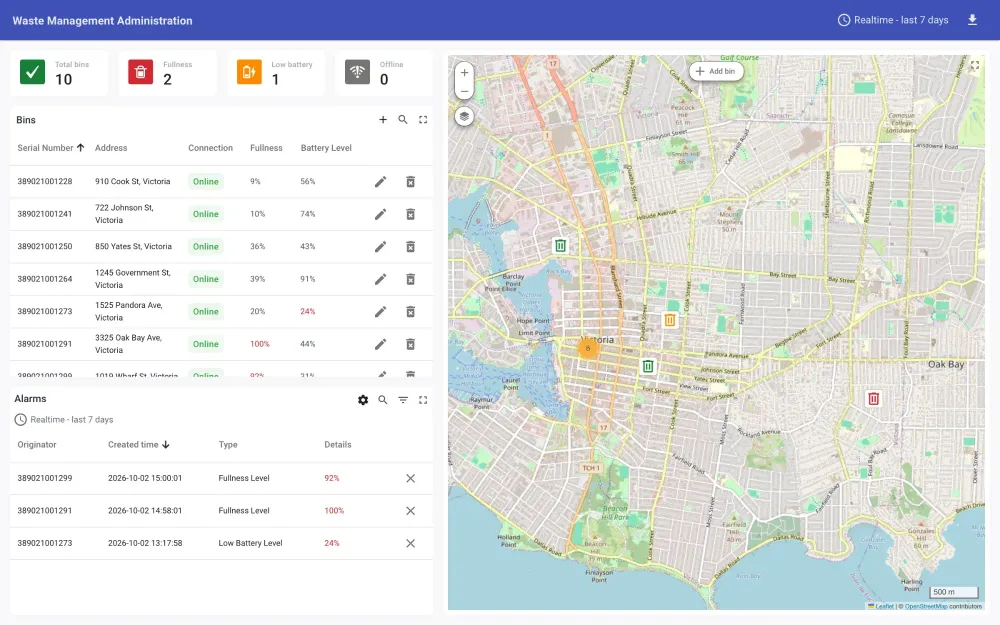
Bin fullness and battery per address across a city, with alarms for full bins and every bin on a map — one of the dashboards open on our live demos page.
Sensors & gateways
The sensors, trackers and gateways behind our IoT deployments.
We're hardware-agnostic: each site gets the devices that suit its readings and environment, from several manufacturers, on one platform.
Ultrasonic level sensor
Rivers, culverts and flood points
Parking & bin-fill sensor
Bays, bins and distance
Street light controller
Dimming and fault alerts per pole
CO₂ and air quality
Classrooms and meeting rooms

Temperature & humidity
Courts, rooms and enclosures
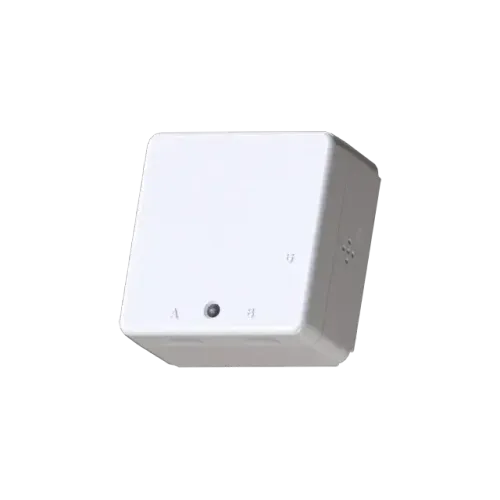
Room sensor
Temperature, humidity, occupancy
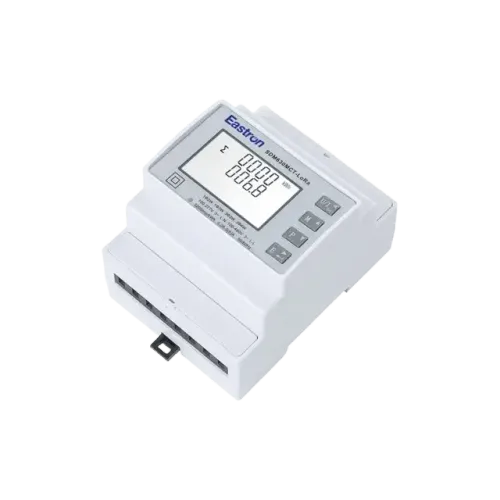
Energy meter
Three-phase power monitoring
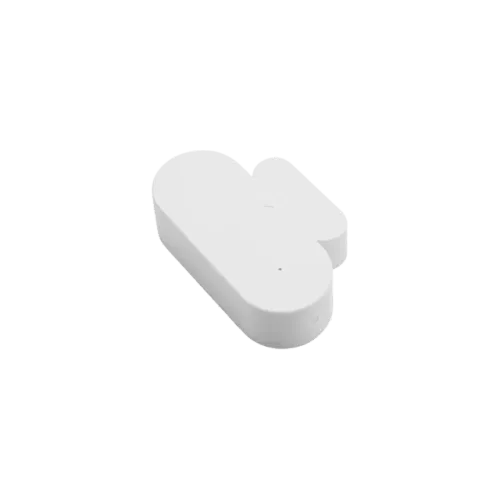
Door & window sensor
Doors, hatches and cabinets
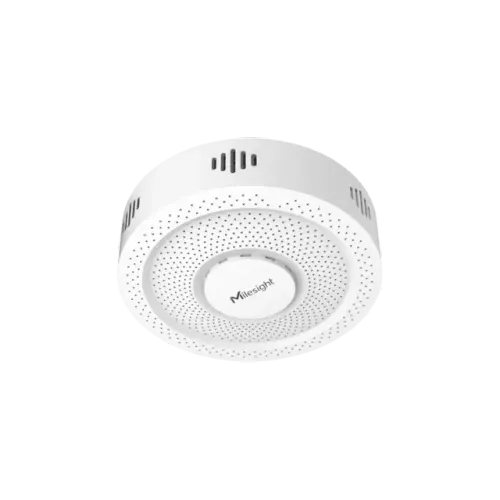
Vape and smoke sensor
Washrooms and change rooms
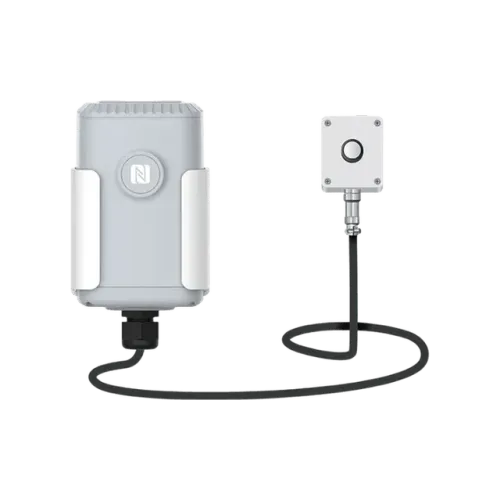
Light level sensor
Indoor courts and public spaces
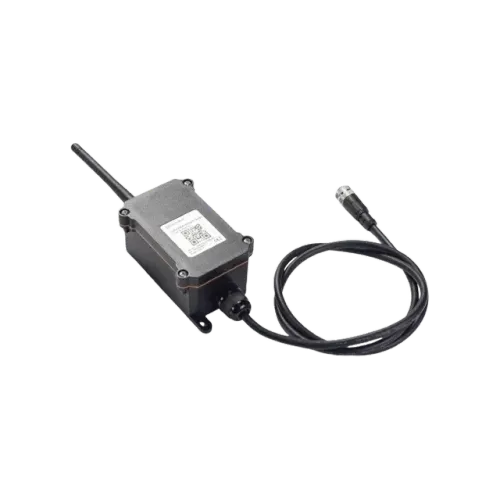
Soil moisture probe
Parks, fields and sports turf
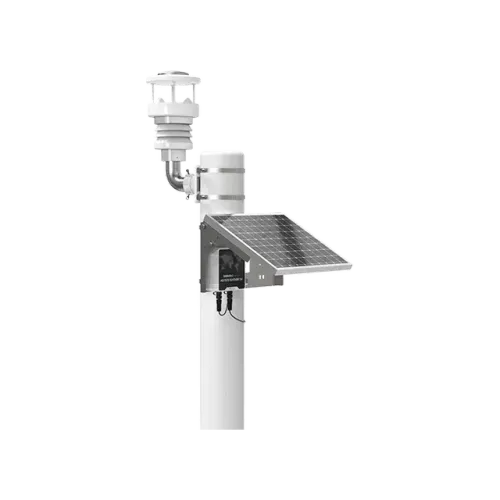
Weather station
Wind, rain, temperature
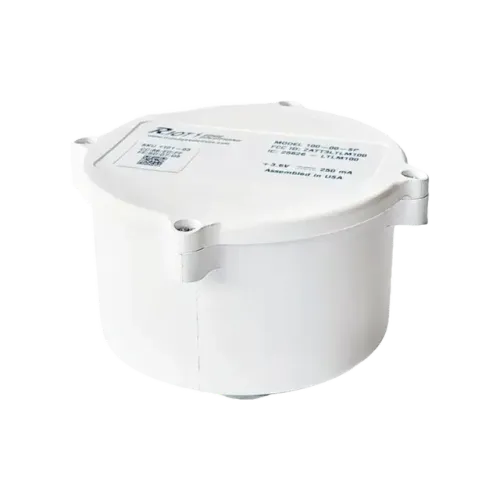
Tank level sensor
Oil, fuel and water tanks
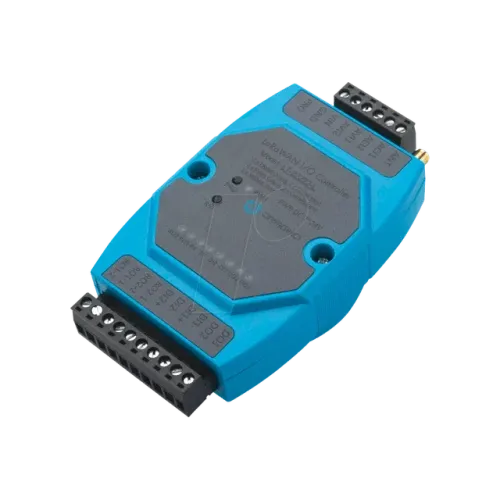
I/O controller
Pumps, valves and relays
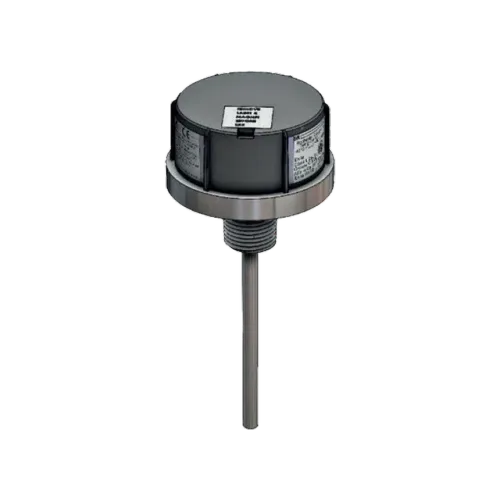
Level transmitter
Process and storage tanks
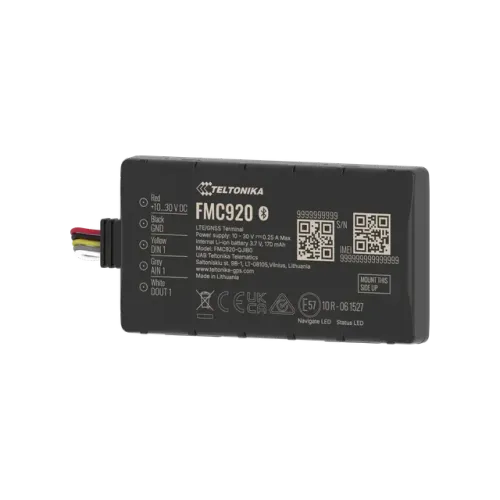
4G LTE vehicle GPS tracker
Hardwired in trucks, vans and heavy equipment
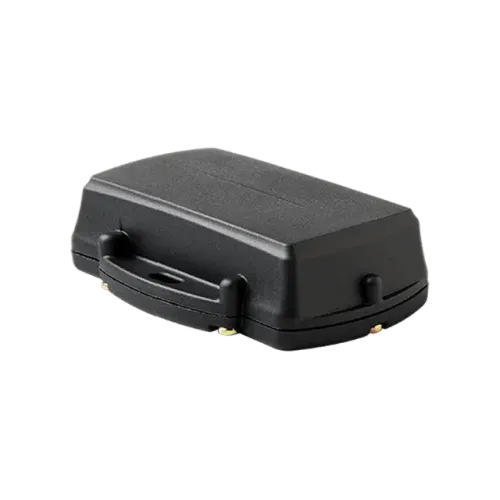
Compact battery GPS tracker
Trailers, containers and tools, years on one battery
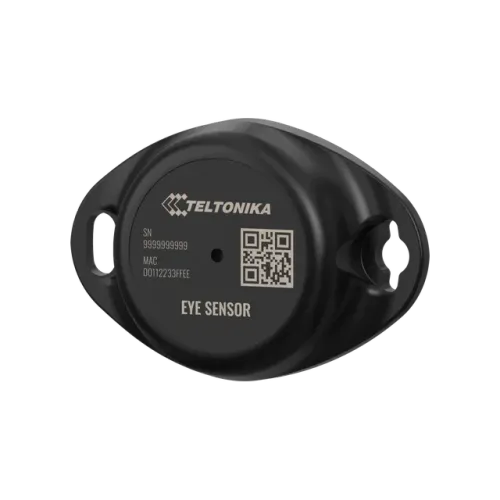
Bluetooth temperature sensor
Cargo temperature, humidity and door state
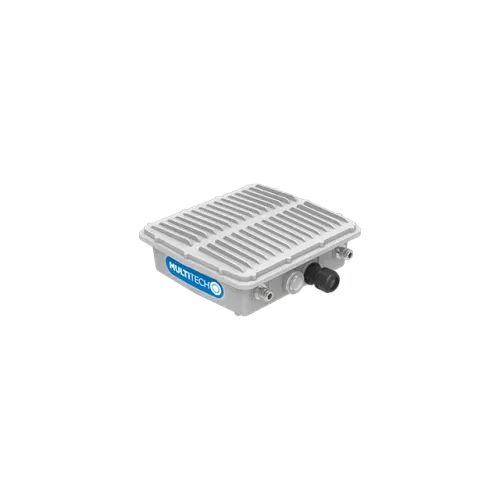
Macro LoRaWAN gateway
Towers and rooftops, city-wide coverage
Indoor LoRaWAN gateway
Schools, offices and venues
Outdoor LoRaWAN gateway
Masts and rooftops, IP67
FAQ
IoT questions, answered.
Plain answers to what people ask most about the Internet of Things.
The Internet of Things is the network of physical devices — sensors, meters, vehicles and equipment — fitted with electronics and connectivity so they can measure the world around them and exchange that data with software and people.
More solutions
Built on the same platform.


Talk to us
Plan an IoT deployment.
Tell us about the site and what you need to measure. An IoT specialist will scope the sensors, the network and the dashboards with you.
- Sales
- (778) 900-5895
- [email protected]
- Hours
- Mon–Fri, 08:30 AM – 04:30 PM PST