Blog

5G RedCap Explained: Bridging the Gap Between LTE and Full 5G for IoT

5G RedCap (Reduced Capability) is reshaping mid-tier IoT deployments by offering lower-cost, energy-efficient 5G connectivity. Learn how RedCap fits between LTE and full 5G—and what it means for industrial IoT, video, and edge deployments.
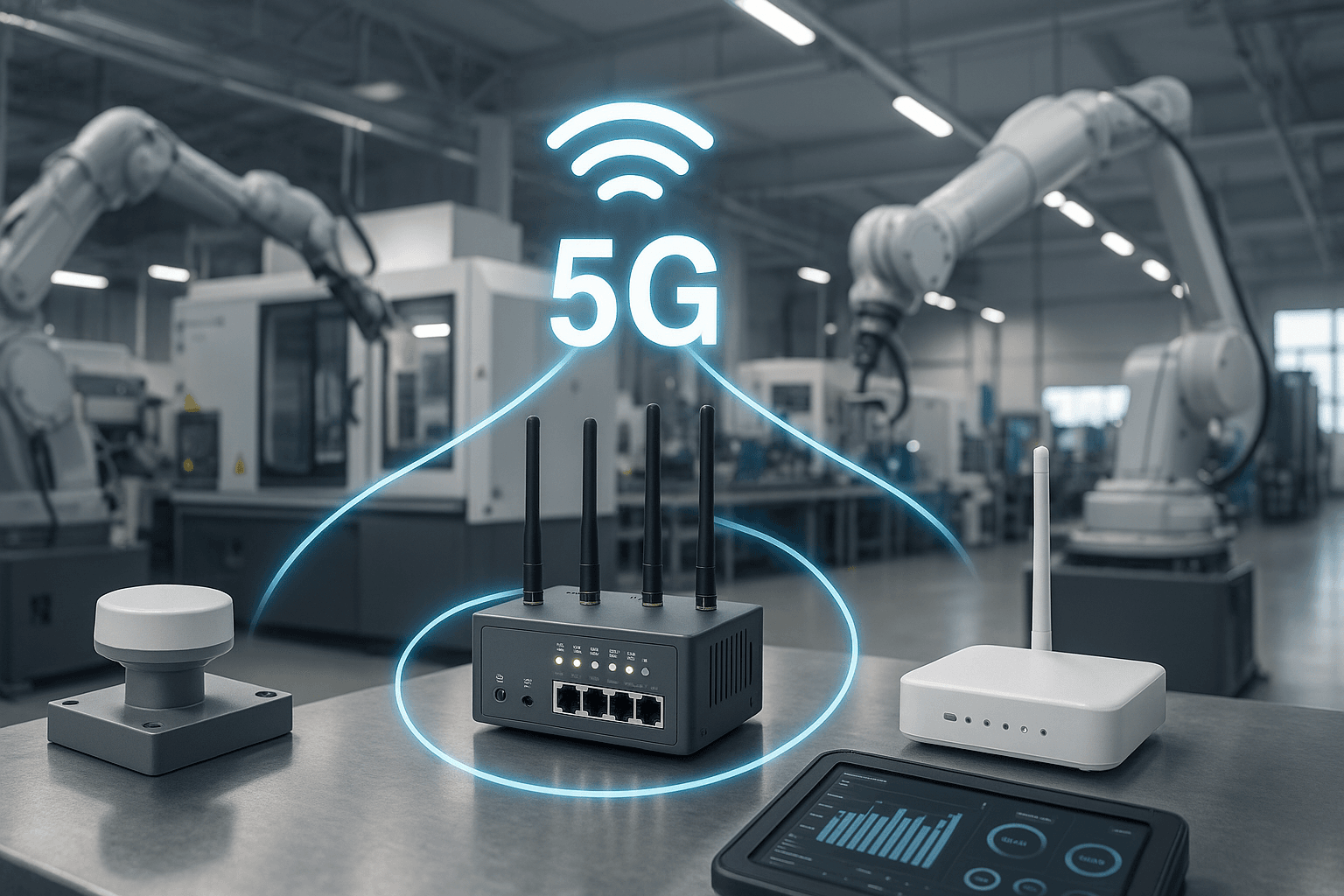
Industrial IoT devices connected via 5G RedCap network in a smart factory environment | AI-generated image
Published at

5G doesn’t have to mean overpowered—or overpriced—for IoT. With the introduction of 5G RedCap (Reduced Capability), the industry finally has a middle ground between low-bandwidth LTE devices and high-performance 5G endpoints. For IoT deployments that need more than LTE but less than ultra-fast 5G broadband, RedCap is emerging as a practical and cost-efficient solution.

As IoT networks scale across industrial sites, smart cities, and remote operations, choosing the right connectivity tier has never been more important. Here’s what 5G RedCap really means for your deployment strategy.

What Is 5G RedCap?

5G RedCap is part of the 3GPP Release 17 specification. It’s designed to reduce modem complexity, power consumption, and device cost while still leveraging the core benefits of 5G networks.

In simple terms, RedCap sits between:

  • LTE Cat-4 / Cat-6 devices (widely used in IoT today)
  • Full-featured 5G NR devices built for smartphones and high-throughput applications

By scaling down bandwidth, antenna configurations, and peak data rates, RedCap enables:

  • Lower hardware costs
  • Smaller device form factors
  • Improved power efficiency
  • Access to modern 5G network features

Typical RedCap devices support peak data rates in the hundreds of Mbps range—far below smartphone-class 5G, but more than sufficient for many industrial IoT and video use cases.

Why RedCap Matters for Mid-Tier IoT Use Cases

There has long been a “connectivity gap” in IoT.

On one end, LPWAN technologies like LoRaWAN provide ultra-low power and long-range connectivity for small sensor payloads. On the other, full 5G supports ultra-high bandwidth and ultra-low latency applications.

But what about devices that need moderate throughput and mobility?

RedCap is built for applications such as:

  • Industrial HMIs and machine monitoring panels
  • Smart grid equipment
  • Asset tracking with richer telemetry
  • Wearables and healthcare monitoring
  • Entry-level video surveillance

For example, many industrial cameras don’t require gigabit speeds—but they do need reliable uplink bandwidth and low latency. RedCap enables these deployments without the cost and complexity of full 5G modules.

Cost, Power, and Complexity: The Real Impact

One of the biggest barriers to 5G IoT adoption has been module cost. Early 5G chipsets were significantly more expensive than LTE equivalents.

RedCap changes the equation by:

Reducing RF chain requirements
Fewer antennas and narrower bandwidth lower bill-of-materials costs.

Lowering power consumption
Critical for battery-operated or energy-sensitive industrial devices.

Simplifying device design
Smaller, more compact modules open new use cases in wearables and embedded systems.

As chipset vendors scale production, we can expect RedCap module pricing to approach high-end LTE categories—accelerating adoption in cost-sensitive industrial markets.

How RedCap Fits Into a Broader IoT Connectivity Strategy

RedCap isn’t a replacement for LPWAN or LTE—it’s another tool in the connectivity toolbox.

At IoTKinect, we typically see deployments structured like this:

  1. LoRaWAN for low-power environmental sensors, metering, and remote monitoring.
  2. Multi-provider IoT SIMs (LTE/5G) for mobile assets, gateways, and moderate data needs.
  3. 5G RedCap for mid-tier bandwidth devices requiring mobility and future-proofing.
  4. Full 5G for high-throughput, low-latency edge applications such as AI-driven video analytics.

For example:

  • A manufacturing facility might use LoRaWAN for temperature and vibration sensors.
  • Deploy EdgeKinect Core gateways with IoT SIM connectivity for secure backhaul.
  • Integrate EdgeKinect Vision systems using 5G or RedCap for intelligent video monitoring.

This layered architecture optimizes cost, performance, and scalability across the entire operation.

Ecosystem Readiness and What to Watch

The RedCap ecosystem is gaining momentum. Major chipset manufacturers and network operators are actively supporting Release 17 features, with broader commercial rollouts expected through 2026 and beyond.

Key considerations for adopters:

  • Carrier support in your region (RedCap must be enabled by operators)
  • Module availability and certification timelines
  • Backward compatibility with LTE networks
  • Long-term 5G roadmap alignment

For organizations planning 5–10 year IoT lifecycles, RedCap offers a future-ready path without jumping straight to high-cost 5G architectures.

The Bottom Line

5G RedCap fills a critical gap in IoT connectivity—delivering balanced performance, lower costs, and improved efficiency for mid-tier devices. It enables industrial and enterprise deployments to modernize gradually while maintaining financial and operational control.

When combined with LPWAN technologies like LoRaWAN and resilient multi-carrier IoT SIM strategies, RedCap becomes part of a scalable, right-sized connectivity framework—not a one-size-fits-all upgrade.

Contact Us | Explore Solutions

More Blog Posts

Satellite IoT device connecting remote industrial sensors to a low-earth orbit satellite network | AI-generated image
Blog

Satellite IoT: Extending Connectivity Beyond Terrestrial Limits

Satellite IoT and Non-Terrestrial Networks (NTN) are transforming global connectivity by reaching devices beyond cellular and fiber coverage. Discover how LEO constellations and 3GPP standards enable resilient IoT deployments in agriculture, logistics, energy, and remote operations.

Start Your IoT Journey

Ready to Transform Your Business?

Join hundreds of companies leveraging IoT to drive innovation and growth.